
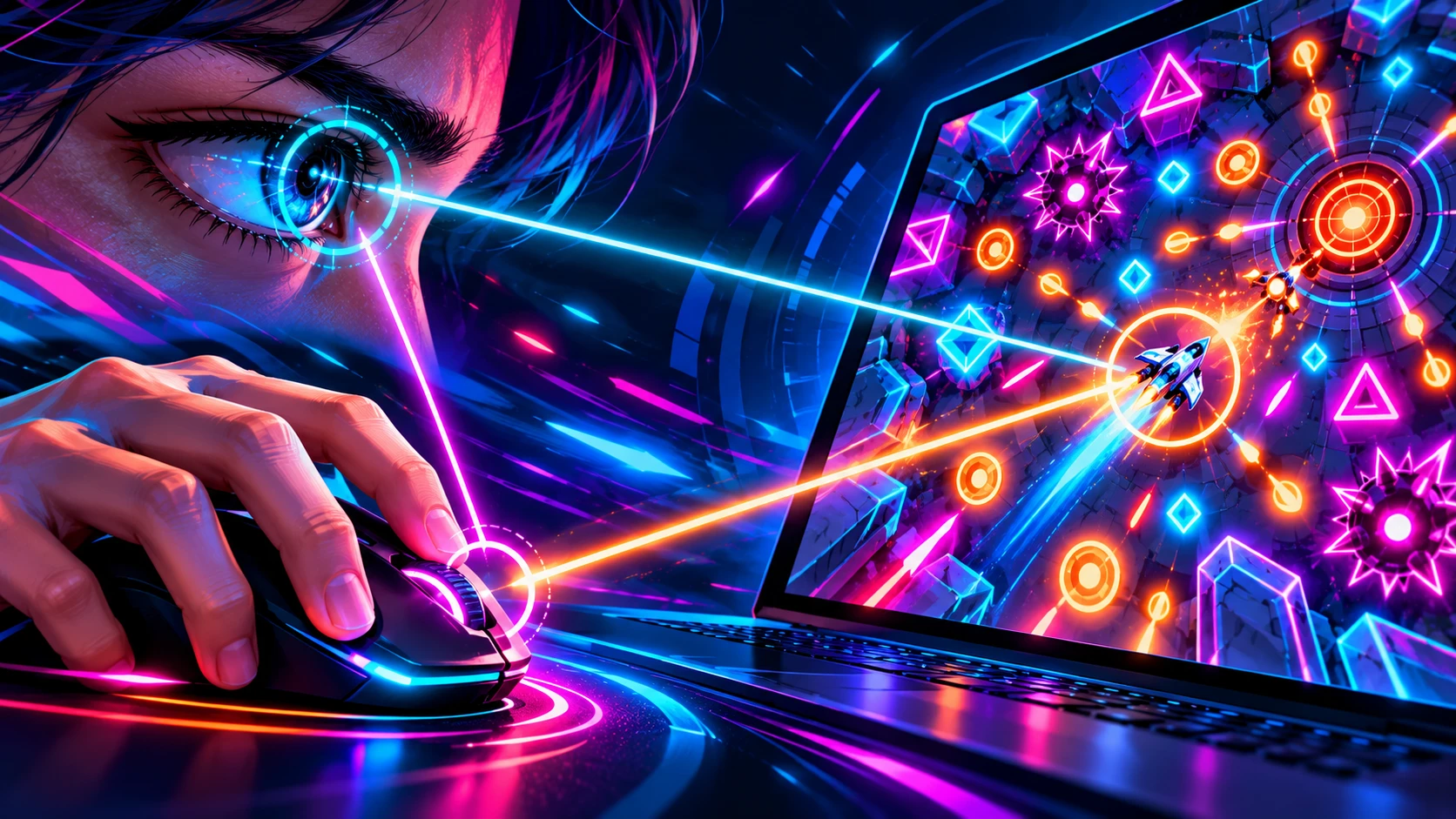
Fast reflexes, sharp eyes, and steady hands: these are the skills action games demand. Many players notice that after regular practice, they react faster and control the mouse or keyboard with more precision. But is there more to it than just feeling better at one game?
This article explains how action web games can support hand-eye coordination, what skills are involved, and how to enjoy them in a healthy way.
What Is Hand-Eye Coordination?
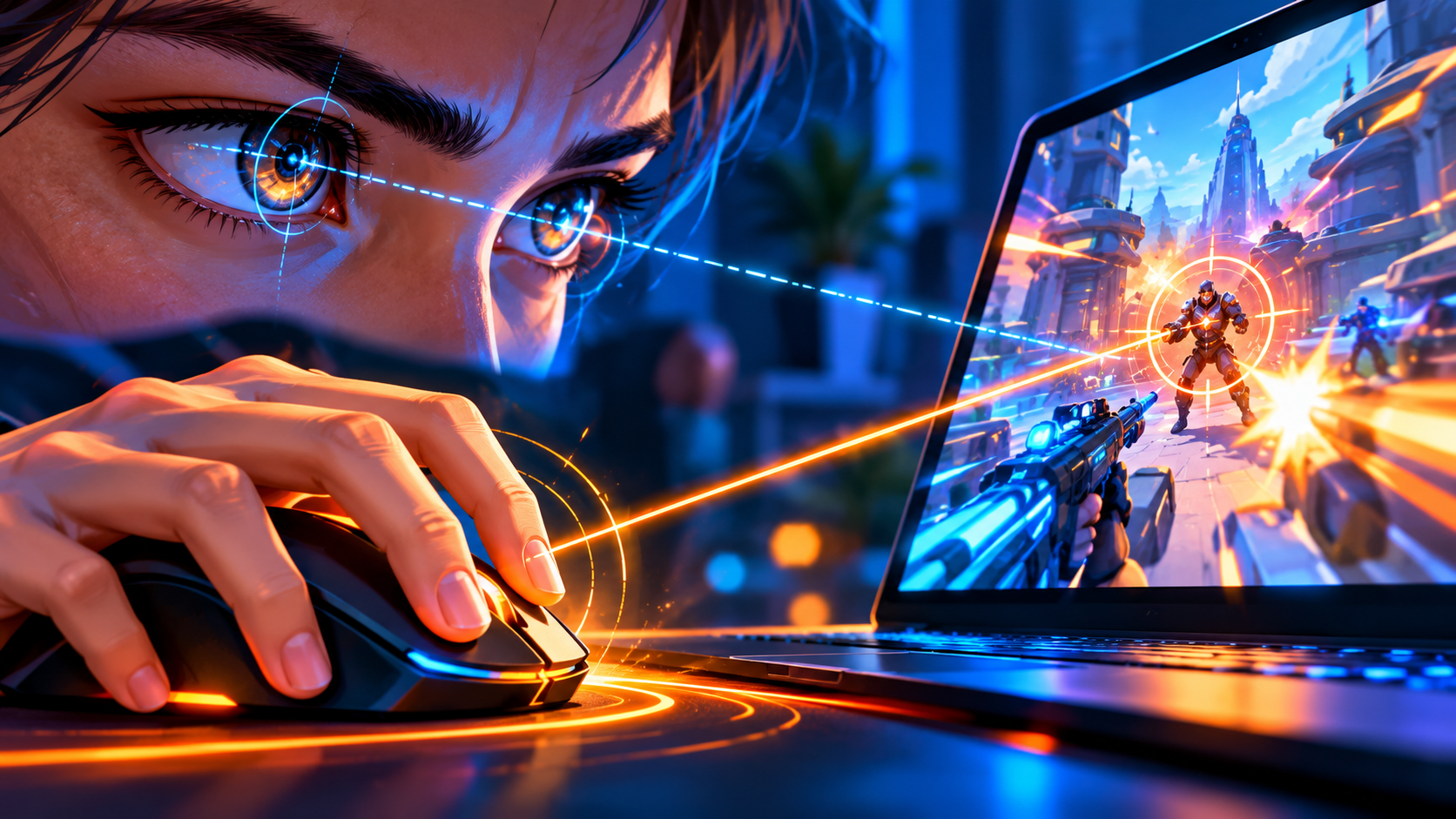
Hand-eye coordination is your brain's ability to process what your eyes see and guide your hands to respond accurately. It is used in everyday life when you catch a ball, type on a keyboard, draw, or drive a vehicle. Action games train a similar loop: see something on the screen, decide, and move your hand quickly and precisely.
How Action Games Train Your Skills
1. Visual Attention
Action games often show many moving objects at once. You learn to scan the screen, notice important details, and ignore distractions. Some research on action video games has linked regular play with improved visual attention.
2. Reaction Time
Dodging obstacles or hitting moving targets rewards quick responses. Repeated practice can make your reactions inside the game faster and more consistent.
3. Precision and Control
Aiming a cursor, timing a jump, or steering through a narrow gap builds fine motor control. Small, accurate movements become more natural over time.
4. Multitasking and Decision-Making
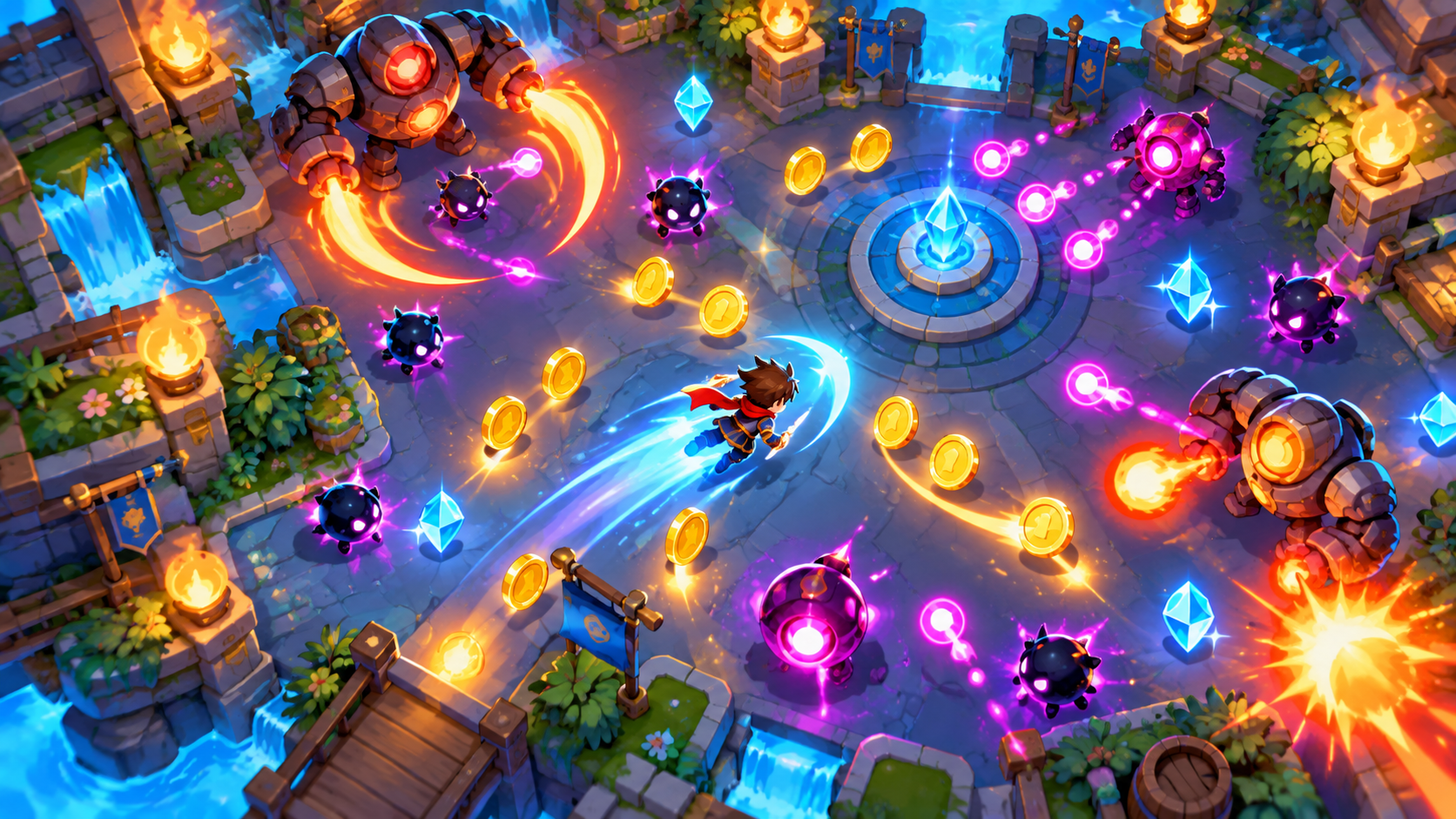
Many action games ask you to move, watch enemies, collect items, and plan routes all at once. This trains your ability to make quick decisions under pressure.
Types of Action Web Games That Help
- Dodging and avoidance games: Build reaction time and spatial awareness.
- Shooting galleries and target games: Train aiming accuracy and tracking moving objects.
- Platformers: Improve timing, jump control, and planning.
- Racing games: Strengthen steering control and anticipation.
- Rhythm games: Connect sound, timing, and finger movement.
Tips to Get the Most From Action Games
- Start slowly: Learn the controls on an easy level before increasing difficulty.
- Practice consistently: Short, regular sessions work better than a marathon once a week.
- Use a comfortable setup: A good mouse, a proper keyboard position, and a steady chair make control easier.
- Focus on accuracy first: Speed comes naturally once your movements are precise.
- Challenge yourself gradually: Move up difficulty levels when you feel comfortable.
- Review mistakes: Notice what caused a failure and adjust.
Healthy Gaming Habits
Games can be a fun way to practice coordination, but balance matters. Keep these habits in mind:
- Follow the 20-20-20 rule: Every 20 minutes, look at something 20 feet away for 20 seconds.
- Take breaks: Stretch your wrists, hands, and shoulders regularly.
- Sit properly: Keep your back supported and screen at eye level.
- Stay active: Combine gaming with sports or outdoor movement.
- Watch the time: Avoid very long sessions without rest.
A Realistic Look at the Benefits
While studies suggest that action games can help certain visual and reaction skills, results can vary from person to person, and improvements in a game do not automatically become expert-level skill in every real-life activity. Think of action games as a fun, engaging way to practice, not a replacement for physical training or medical advice. If you ever experience eye strain, pain in your hands, or headaches, take a break and consult a professional.
Frequently Asked Questions
Do action games really improve reflexes?
They can help you respond faster within games and may support visual attention, but the effect differs between individuals.
Is mouse or keyboard better for coordination?
Both train different skills. Mouse games build precision, while keyboard games help with timing and finger coordination.
How long should I play?
Short sessions of 20 to 30 minutes with breaks are a good balance for most people.
Train Your Reflexes the Fun Way
Action web games make practice feel like play. Head to unique100.com, choose an action game, and see how sharp your reflexes can get.