Puzzle games are one of the most loved categories in gaming, and for good reason. They are relaxing, rewarding, and good for your mind. From classic logic grids to colorful match games, free puzzle games online let you exercise your brain anywhere, anytime, without downloading a thing.
In this guide, you will discover the main types of puzzle games, the skills each one builds, and tips to solve puzzles faster.
Why Puzzle Games Are Great for You
- Sharpen focus: Puzzles train you to concentrate on one task at a time.
- Improve problem solving: You learn to test ideas, spot patterns, and plan ahead.
- Boost memory: Many puzzles ask you to remember positions, shapes, or numbers.
- Reduce stress: Solving a puzzle can feel calming and satisfying.
- Fit any schedule: Most puzzles can be paused and resumed at any time.
Popular Types of Online Puzzle Games
1. Logic and Number Puzzles
Sudoku, number-merging games, and logic grids test your reasoning. You follow rules, remove impossible options, and slowly reveal the answer. They suit players who enjoy calm, careful thinking.
2. Match-Three and Bubble Games
In these colorful games, you swap or shoot pieces to create matching groups. They are easy to understand, visually rewarding, and perfect for quick sessions.
3. Word Games
Crosswords, word searches, and letter-guessing games build vocabulary and spelling. They are especially popular with students and anyone learning English.
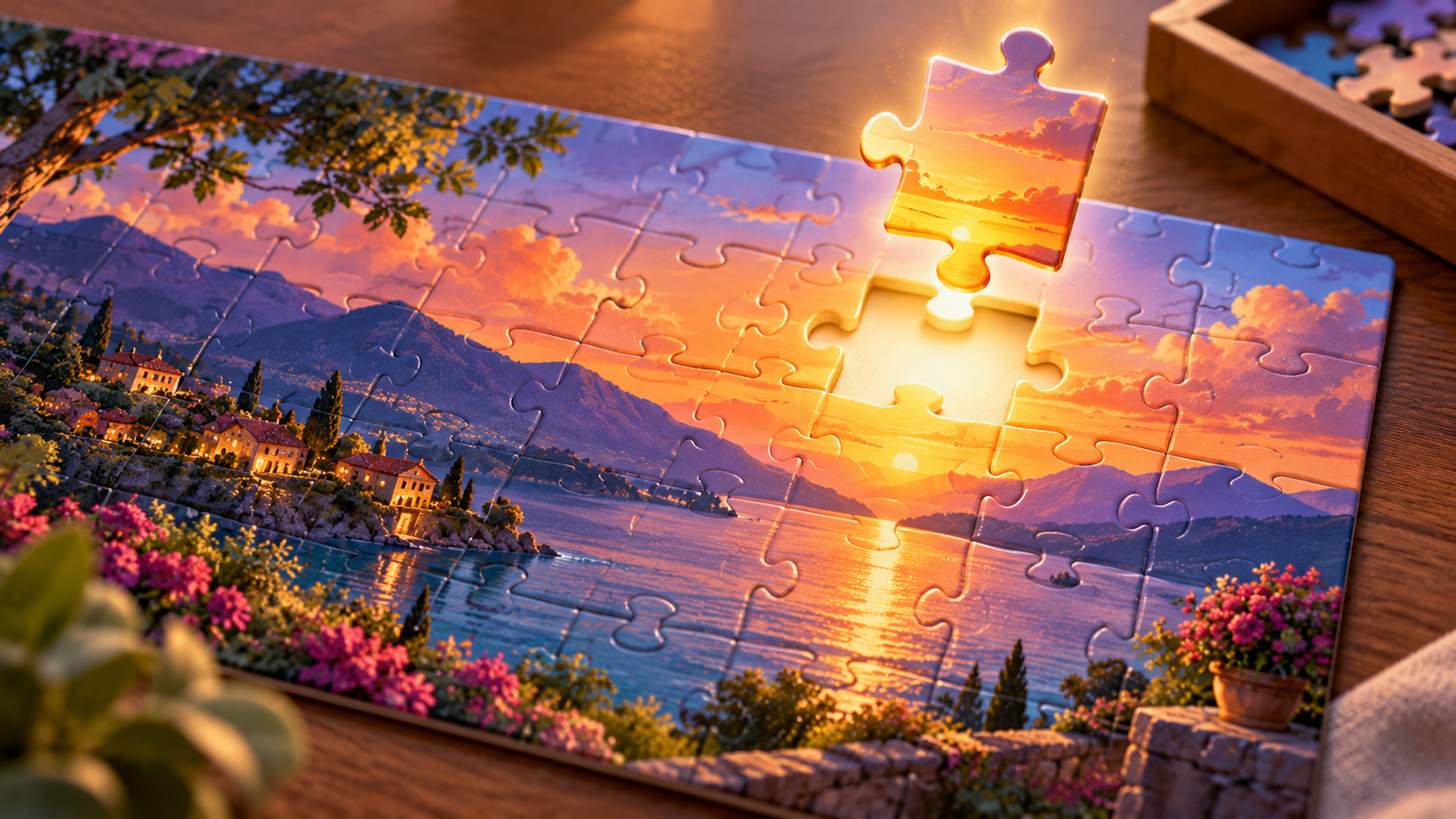
4. Sliding and Jigsaw Puzzles
Sliding tile puzzles and jigsaws challenge your spatial thinking. You rearrange pieces until a complete image or sequence appears, which feels wonderfully satisfying.
5. Physics Puzzles
These games use gravity, momentum, and balance. You might need to cut a rope, stack objects, or launch items to hit a target. Expect creative thinking and a few funny failures.
6. Escape Room and Hidden Object Games
Explore a room, find clues, and unlock the exit. These games reward patience and attention to detail, and they are great fun to play with a friend sitting beside you.
Skills Each Puzzle Type Builds
- Logic puzzles: Reasoning and patience.
- Match games: Pattern recognition and quick decisions.
- Word games: Vocabulary and spelling.
- Jigsaw and sliding puzzles: Spatial awareness.
- Physics puzzles: Creative thinking and experimentation.
- Escape games: Observation and memory.
Tips to Solve Puzzles Faster
- Read the rules carefully before making your first move.
- Start with the easiest part of the puzzle to build momentum.
- Look for patterns and repeated shapes or numbers.
- Plan two or three moves ahead rather than reacting to one move at a time.
- Use hints sparingly so you still learn from the challenge.
- Take a short break if you feel stuck. A fresh mind often spots the answer immediately.
Are Puzzle Games Good for All Ages?
Yes. Children enjoy simple matching and jigsaw games, teenagers love strategy and word challenges, and adults often use puzzles to relax or keep their minds active. Because many puzzle games let you choose a difficulty level, the whole family can enjoy them together.
Frequently Asked Questions
Do puzzle games really make you smarter?
Puzzle games can help you practice focus, memory, and problem solving, but they are best seen as a fun mental workout rather than a guaranteed way to raise intelligence.
What is the best puzzle game for beginners?
Match-three games, simple jigsaws, and easy sliding puzzles are great starting points because the rules are quick to learn.
Can I play puzzle games without internet?
Most browser puzzle games need an internet connection to load, but they usually use very little data once opened.
Give Your Brain a Workout
Whether you want to relax or challenge yourself, there is a puzzle waiting for you. Explore the puzzle collection at unique100.com and see how many levels you can complete today.